
The Caribbean
Where sunken gold and salt-worn hulls hide the franchise's oldest treasure—and the ghosts of the men who died trying to keep it.

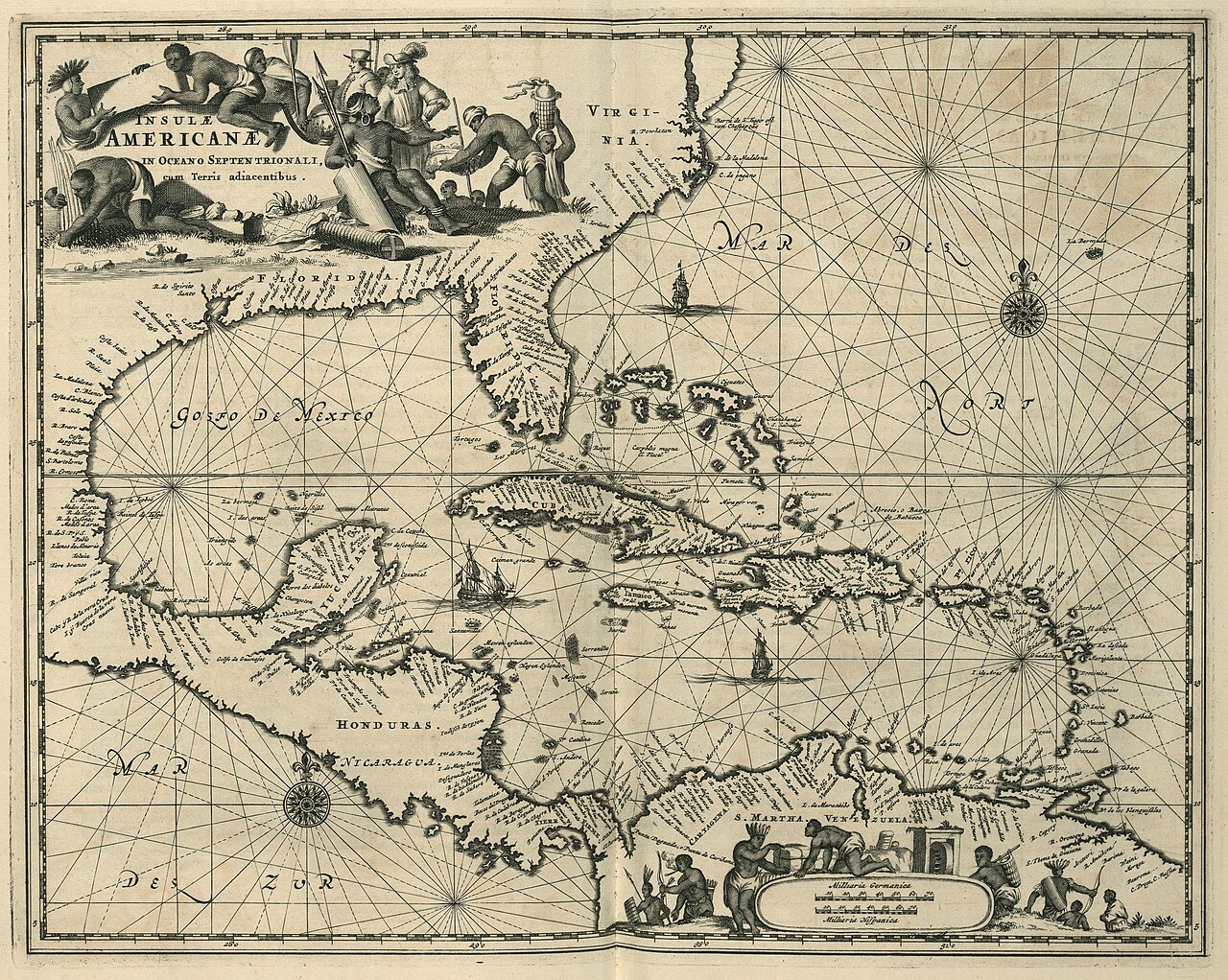
Jacob van Meurs · Public domain
The Caribbean is a recurring world and location across the Uncharted franchise, serving as the primary stage for the series' signature shipwreck exploration sequences. From the opening of Uncharted: Drake's Fortune through the extensive Bahamas sequences in Uncharted 4: A Thief's End, the tropical waters and scattered islands of the Caribbean provide the backdrop for underwater traversal, coastal combat, and the pursuit of lost treasure. It is the setting most closely associated with the franchise's core identity as a treasure-hunting adventure. In the games, the Caribbean is rendered as a vivid, sun-drenched environment of white-sand beaches, dense jungle interiors, coral reefs, and the decaying hulls of centuries-old vessels. It functions both as a narrative anchor—tying Nate Drake and his companions to the legacy of maritime piracy and colonial-era gold—and as a gameplay space that emphasizes verticality, water-based movement, and the contrast between open natural beauty and claustrophobic interior exploration of sunken ships.
- Recurring in
- Uncharted 4: A Thief's End
Lore & Background
In the Uncharted world, the Caribbean is treated as the epicenter of maritime treasure lore. Centuries of colonial expeditions, pirate raids, and deliberate scuttling have left the seabed littered with the remnants of galleons, treasure ships, and supply vessels laden with gold, jewels, and artifacts. The Drake family's history is inextricable from these waters; the legends Nate Drake chases across the globe often trace their origin to a single lost shipment that never reached its intended port. The islands themselves carry a layered history in the games' environmental storytelling. Abandoned outposts, half-collapsed watchtowers, and faded colonial architecture sit alongside untouched jungle, suggesting a region where empires rose and fell and left their material traces buried under coral and sand. The locals who appear in Caribbean sequences—fishermen, small-island residents, and occasional mercenaries—reflect a community shaped by both the promise and the danger of the sea. Narratively, the Caribbean serves as a place of both origin and reckoning. It is where the Drake legacy begins (the first shipwreck, the first taste of what the family has spent generations seeking) and where it is tested most directly (the final confrontations in later entries). The waters are forgiving in their beauty and merciless in their depth, a duality the games exploit in both story and design.
In Their Own Story
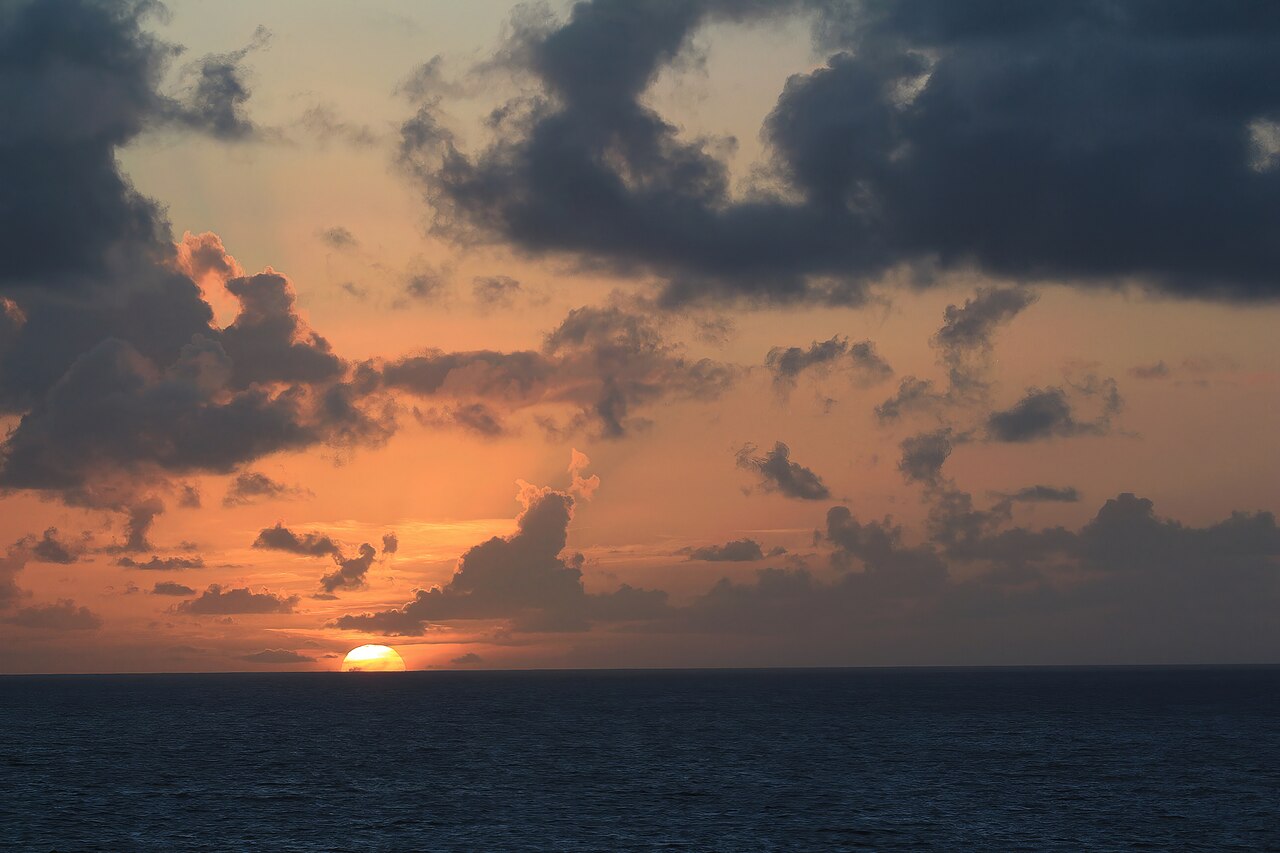
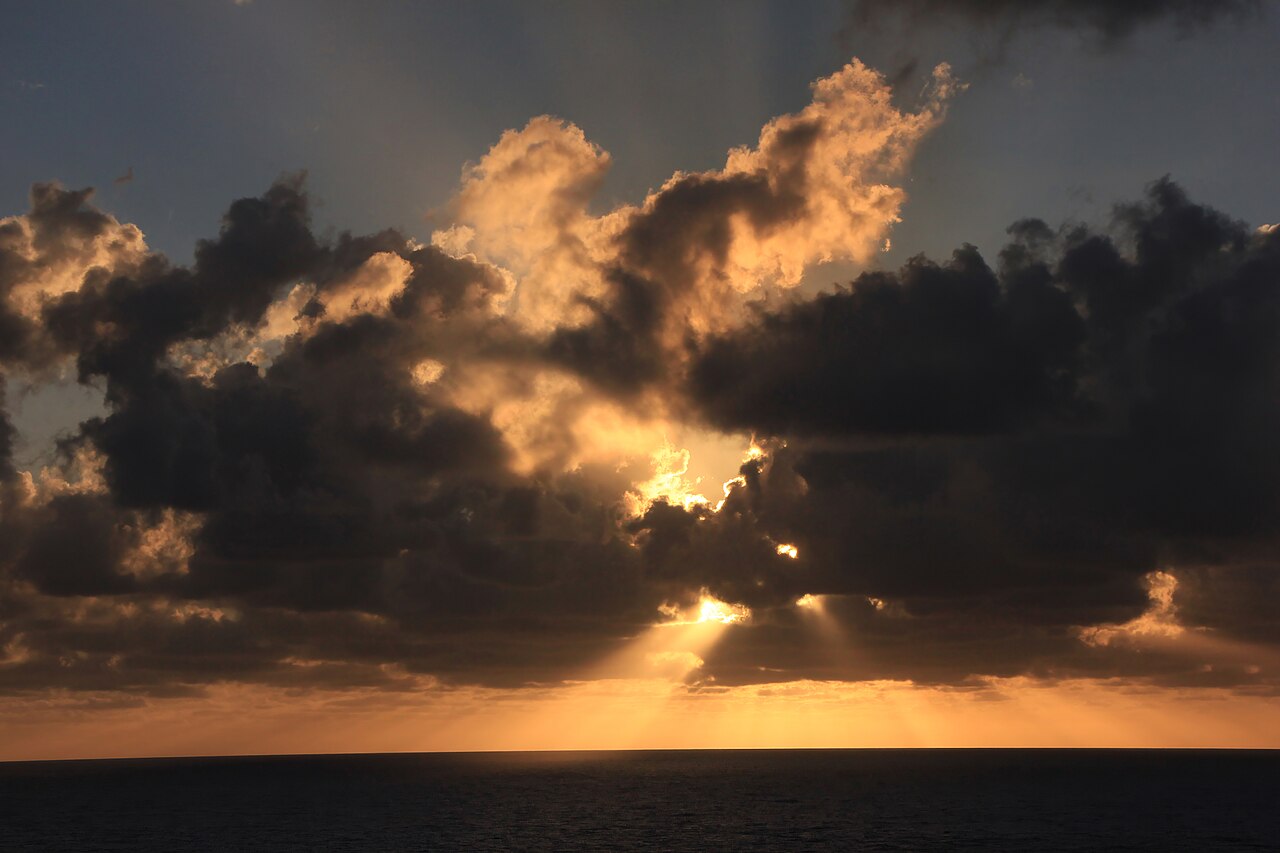
The sun hangs low over the water, painting the shallows in copper and gold. Nate crouches at the edge of the hull, salt crusting his jacket, and listens to the groan of the timbers shifting beneath him. Somewhere below, in the black water that swallows the lower decks, the chest is still there. He can feel it the way you feel a draft under a door—a presence, a weight of history pressing up through the rot. Sully's voice crackles through the comms, half-laughing, half-warning him not to fall off the mast again. The island behind them is a smear of green and white in the haze, and the only sound is the slow percussion of waves against the wreck's ribs. Nate takes a breath, tastes the brine and the diesel from the boat, and drops into the dark. The water closes over him like a lid, and for a moment there is only the thud of his pulse and the faint glint of something gold shifting in the silt below.
Reader's Guide
The Caribbean levels in Uncharted draw on the visual language of the real Caribbean and Bahamas: limestone cays, mangrove-lined inlets, coral reefs, and the skeletal remains of wooden-hulled vessels. In Uncharted 4, the Bahamas sequences in particular echo the geography of the real archipelago—scattered low islands, turquoise shallows giving way to deep channels, and the kind of dense subtropical vegetation that grows over abandoned structures. In the campaign, the Caribbean functions as both prologue and denouement. The franchise's most iconic set-pieces—climbing the rigging of a capsized ship, navigating flooded lower decks while managing oxygen or avoiding collapsing floors, and traversing the open deck during a storm or combat sequence—are anchored in this setting. Traversal challenges emphasize vertical movement (masts, rigging, broken bulkheads), horizontal gaps over open water, and the transition between dry land and submerged interiors. Environmental storytelling is woven into the level design: faded cargo manifests, personal effects left in crew quarters, the slow reclamation of a ship by marine life, and the contrast between the pristine natural beauty of the surrounding reef and the decay of the man-made structure. These details reinforce the narrative that the treasure was real, the crew was real, and the sea simply kept what it was given.
Did You Know?
- The Caribbean is the setting where the Uncharted franchise's signature shipwreck traversal mechanic is most fully realized, appearing in multiple entries as both opening and closing locations.
- In Uncharted 4: A Thief's End, the Bahamas serve as a primary campaign location, featuring sequences on a small island and aboard a wrecked vessel.
- The Caribbean levels in the series contrast open, sunlit natural environments (beaches, jungle, reefs) with the tight, dark interiors of sunken ships, creating a deliberate rhythm of exposure and confinement.
- The Drake family's treasure-hunting legacy in the Uncharted narrative is most directly tied to Caribbean maritime history, linking the series to real-world lore of colonial-era gold shipments and pirate activity in the r
Gallery
Frequently Asked Questions
In which Uncharted game does the Caribbean first appear?
The Caribbean setting debuts in Uncharted: Drake's Fortune (2007), where the opening shipwreck exploration establishes the tropical waters as a core part of the series. It has since recurred in Uncharted 3 and Uncharted 4.
What is the signature gameplay in Caribbean Uncharted levels?
Caribbean stages are built around navigating the interiors of sunken vessels and traversing underwater passages, a mechanic that became one of the franchise's most recognizable set pieces. Above-water sections typically feature tropical island terrain and coastal combat.
Which Uncharted games feature Caribbean or Bahamas settings?
The tropical island and coastal environments appear in Uncharted: Drake's Fortune (2007), Uncharted 3: Drake's Deception, and Uncharted 4: A Thief's End, the latter including a lengthy Bahamas sequence.
Why is the Caribbean so important to Uncharted's identity?
As the recurring backdrop for underwater exploration, shipwreck interiors, and treasure pursuit, the Caribbean has become the visual shorthand for what makes Uncharted a treasure-hunting adventure. It anchors the series' core loop of exploration and discovery to a specific, evocative region.
What kinds of environments do players encounter in Caribbean Uncharted levels?
Players move between tropical island surfaces, coastal areas, and submerged shipwreck interiors, blending above-water traversal with underwater exploration. The salt-worn hulls and sunken gold of these locations anchor the franchise's oldest treasure-hunting sequences.
More in World & Locations
Elsewhere in the Uncharted universe
Spotted an error? Know more?
This is a living reference — every entry is fact-audited, and reader corrections feed straight into our audit queue. Suggest an edit · See this site's audit record